Held on September 7 during Biodiversity Month, National Threatened Species Day commemorates the death of the last remaining Tasmanian tiger in 1936.
Seqwater Manager Environment Greg Watkins said the organisation's catchments are home to a diverse range of precious and endangered species.
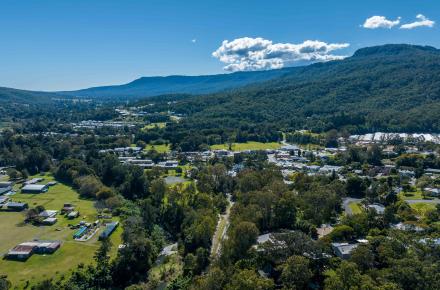
“Seqwater manages more than 1.8 million hectares of natural catchment land across South East Queensland, providing habitat for threatened plants and animals including frogs, orchids and native fish,” Mr Watkins said.
“Many of these species are rarely seen or even known about by the wider community but each has an important role to play in maintaining healthy ecosystems, which leads to healthier waterways.
"We want to highlight these incredible species that are at risk and encourage everyone in our community to do their bit to help ensure their future survival.”
Seqwater has established formal nature refuges within its Somerset-Wivenhoe, Tingalpa Creek, North Pine and Hinze Dam catchments, protecting vital habitat for threatened species and supporting improvements in regional water quality.
Improving habitat quality for koalas is an ongoing focus, with large-scale revegetation, habitat enhancement and land management programs carried out across the Seqwater estate.
"We also support initiatives to improve koala health, including programs that assist with the detection, treatment and management of chlamydia, one of the most significant threats to wild koala populations,” Mr Watkins said.
Seqwater’s Hinze Dam catchment on the Gold Coast also plays an important role in supporting koalas beyond the catchment, providing fodder for koalas cared for at Dreamworld, Currumbin Wildlife Sanctuary and the David Fleay Wildlife Park.
In Seqwater’s northern region, the Mary River Cod is another endangered species benefitting from habit restoration.
The large mottled fish is found in local waterways and reservoirs, including Lake McDonald, Obi Obi Creek and the broader Mary River system.
“Mary River Cod are native to our river systems and are an important part of biodiversity. They can also tell us a lot about the health of our waterways, which is why protecting and improving their habitat is so important,” Mr Watkins said.
As part of the Lake MacDonald Dam Improvement Project, Seqwater has created new underwater habitat structures for Mary River Cod and other native species.
Through the Logs for Cod initiative, delivered in collaboration with the Burnett Mary Regional Group, trees removed as part of the project are being transformed into hollowed-out timber structures designed to mimic natural breeding and spawning environments.
These structures are anchored into the riverbed at carefully selected locations to provide shelter and habitat for native fish.
"By transforming these trees into purpose-built habitats, we're helping recreate some of the conditions Mary River Cod and other native species need to thrive and hopefully giving them a greater chance of survival,” Mr Watkins said.
Mr Watkins encouraged people across South East Queensland to use National Threatened Species Day as an opportunity to learn more about the endangered and critically endangered species in their area.
10 Endangered Species found in Seqwater Catchments
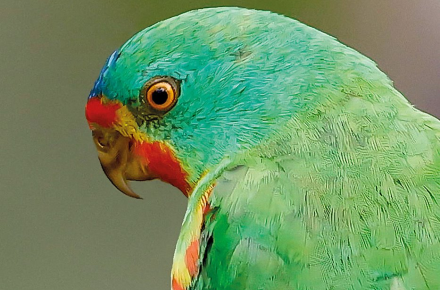
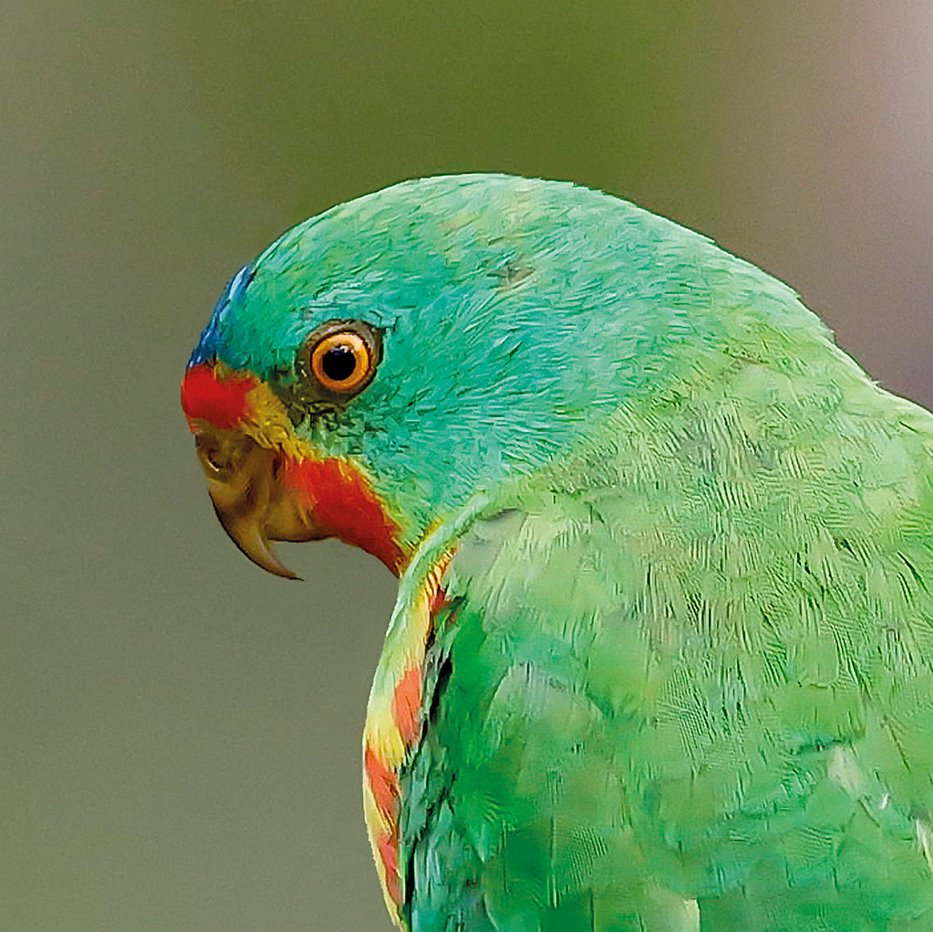
- Swift Parrot (Critically Endangered)
- Fleay’s Barred Frog
- Smooth Davidson’s Plum
- Australasian Bittern
- Spotted Quoll
- Southern Swamp Orchid
- Mary River Cod
- Pink Underwing Moth
- Australian Lungfish
- Koala