Emergency Contact
Home News Temporary change to taste and odour of water in parts of Brisbane, Ipswich, Logan City areas

Temporary change to taste and odour of water in parts of Brisbane, Ipswich, Logan City areas

Residents in the Brisbane, Ipswich and Logan City areas may notice a slight change in the taste and odour of their tap water.

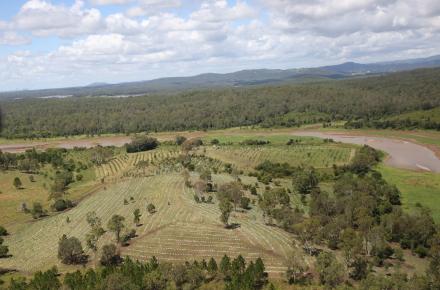
The change in taste and odour is being influenced by an increase in geosmin and MIB in a 65 kilometre stretch of the Brisbane River (between Wivenhoe Dam and our Mt Crosby Water Treatment Plant).

Geosmin and MIB are naturally occurring compounds that are found in water sources and in high levels can lead to an earthy or musty smell and taste in treated water.  And given the right seasonal conditions of rain, high temperatures and sun, can rapidly increase.

We fully acknowledge that our water is not up to the usual high standard, however, it is still safe to drink and we are working hard to minimise these seasonal impacts and return your tap water to normal over the coming days.

What can we do?

Unfortunately, conventional water treatment processes can’t remove geosmin and MIB.  But what we can do is work with your water retailer and utilise our dams and water grid to flush and dilute and reduce geosmin and MIB levels at the source.

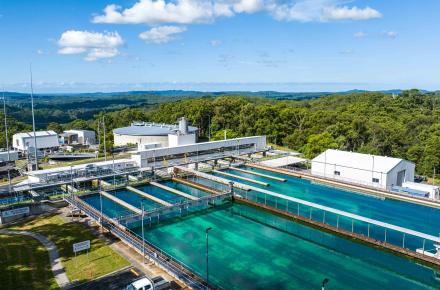
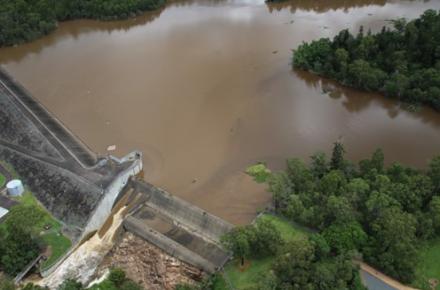
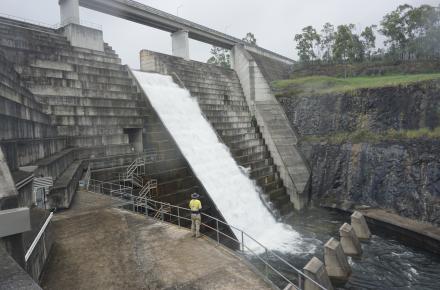
We have increased operational releases from Wivenhoe to flush the Brisbane River.  Our dilution efforts have focussed on increasing water production at our North Pine and Gold Coast plants and reducing water production from Mt Crosby.

We have increased testing to monitor water quality levels daily across key locations. Weekly Taste and Odour reports can be viewed here.

What can you do?

People who are particularly sensitive to taste and odour, we recommend cooling the water in the fridge or adding ice or a slice of lemon or lime before drinking can help with taste. 
Frequently asked questions

No FAQs match your query

My tap water has a funny taste and smell, is the water safe to drink?

Yes, rest assured the water is safe to drink. Some people have reported their tap water smelling earthy or grassy in recent days. The temporary change to the taste and odour of the water is due to an increase in a naturally occurring organic compounds in the raw water supply from naturally occurring algae and bacteria. Algae and bacteria bloom occur seasonally, typically after large amounts of rain and hot weather. The water is still clear in colour.

The water is safe to drink and continues to meet the stringent health requirements of the Australian Drinking Water Guidelines and to meet obligations in Queensland,  through The Water Supply (Safety and Reliability) Act 2008.

We appreciate your patience and understanding while we work to improve taste and odour issues.

How can I improve the taste and smell of my tap water?

While the water is safe to drink, try cooling water in the fridge or adding a slice of lemon, lime or other fruit such as orange, cucumber or watermelon to help reduce any earthy taste in the tap water before you drink it.

Is the water safe to drink for babies and young children, the elderly or people with compromised immune systems?

Yes the water is safe to drink. Talk to your health professional about your personal circumstances or call 13 Health (13 43 25 84). 

Why has the taste and odour changed in the tap water?

The temporary change in taste and odour is due to an increase in a naturally occurring organic compounds known as MIB (2-Methylisoborneol) and Geosmin, which are naturally produced by some algae and bacteria in the raw water supply. The water is safe to drink. The water is treated at our treatment plants to remove these compounds, however sometimes after heavy rain and hot weather, the taste and odour compound can leave earthy or grassy smell and taste. Not everyone will notice the taste and odour changes.

How is the issue being fixed?

Seqwater is working 24/7 to push large amounts of water around the SEQ Water Grid to improve the water dilution and help improve the taste and odour.

As this compound is naturally occurring, it may take a few days for the water to return to its usual taste and odour, pending weather conditions. We apologise for the inconvenience.

Should I use a filter to help reduce the change in taste and odour?

You may wish to use a carbon filter however this is not necessary as the water is safe to drink. Carbon filters can decrease taste and odour, however sediment filters won’t influence taste and odour. We recommend cooling the water in the fridge to help improve the taste and smell. You can also add a slice of lemon or other fruit, such as orange, cucumber or watermelon.

Do I need to boil my water before I drink it?

No, there is no need to boil the water as these organic compounds are safe to drink and boiling the water will not remove the taste and odour. Cooling the water may help reduce any earthy taste in the tap water. You can also add a slice of lemon or other fruit, such as orange, cucumber or watermelon.

My water smells and tastes like chlorine, rather than earthy – why is this?

In South East Queensland, chlorine is added to the water as part of the treatment process, and these levels are within the Australian Drinking Water Guidelines.  Chlorine will dissipate from drinking water if you allow it to stand for a few hours in a glass, or you can place it in the fridge to reduce the taste. If you have any specific concerns in your area, please contact your water service provider.

Where can I find out more about how you test the water and the results?

Water quality reports for South East Queensland’s drinking water are publicly available and published monthly by Seqwater. Weekly Taste and Odour reports are also published by Seqwater. Read the reports here.

Does MIB and Geosmin occur in other parts of Australia or the world?

Yes. MIB and Geosmin are naturally occurring compounds that occur in raw water supplies throughout Australia and elsewhere in the world. We regularly monitor for Geosmin and MIB in the water supply. They are sometimes present in drinking water but not usually noticeable to human noses and tastebuds. Seasonal increases in naturally occurring algae or bacteria in water sources can see rises above the taste and odour thresholds.

Any questions?

For all media enquiries, please contact a member of our media team by phone or email:

07 3247 3000

[email protected]

More from Seqwater