
Catchments
A safe, reliable water supply starts in South East Queensland’s catchments.
Covering more than 1.8 million hectares, our region’s drinking water catchments are open multi use landscapes, shared by communities, industries and essential services that help keep the region running.
Seqwater only owns approximately 68,000 hectares (less than 5%) of this land, making collaboration and strong working partnerships across the broader catchments critical. By working closely with neighbouring landholders, catchment management organisations and the wider community, we support catchment health initiatives that contribute to water quality and supply, and more broadly benefit to the environment and community.
Catchment management at Seqwater brings together the protection of our drinking water sources, sustainable recreation, and care for our land estate - balancing water quality and supply goals with shared land use and community access.
Source protection and caring for our catchments
We manage drinking water through a multi barrier approach, covering every step from catchment to tap.
It starts at the source in our catchments, caring for the land and waterways that communities rely on.
We undertake detailed planning to minimise risk to water quality and identify and prioritise actions and strategies to maintain and enhance our source water quality.
This work is delivered through our Source Protection Program, in partnership with catchment management organisations, private landholders and industries across South-East Queensland.
Recreation and protecting water quality
Our lakes and recreation sites are special places for our community to relax, explore and enjoy the outdoors. Managing and operating these sites plays an important role in supplying safe, reliable drinking water to South East Queensland.
To keep our water clean and our natural spaces healthy, there are some activities that are managed or restricted for visitors.
These simple rules help protect water quality, care for plants and wildlife, and make sure everyone can continue to enjoy these areas safely.
You can easily do your bit to keep your local lakes and natural areas healthy and safe by:
- ensuring you only undertake permitted recreation activities
- following signage
- staying in designated water access points, on trails and within picnic areas, and
- respecting the environment.
Thank you for protecting our water. You’re helping us look after these lakes today and for future generations.
Fire and estate management
We manage 68,000 hectares of land around our lakes - protecting water quality by limiting high-risk activities around our water sources.
As a landholder and statutory authority, we play an important role in managing fire risks across our catchments. We deliver a planned burn program to reduce fuel loads, lower bushfire risk and support healthy ecosystems.
Planned burns
Planned burns reduce build-up of grasses and dense undergrowth, and the risk of bushfires in our catchments. We generally conduct planned burns during the cooler months, outside of bushfire season.
Burns only go ahead when conditions are safe and suitable - our teams carefully consider weather, wind conditions, and the impacts on water quality, native plants and animals.
Each year, our catchments are prioritised for planned burns based on bushfire risk. We work closely with the Queensland Fire and Emergency Services (QFES), local rural fire brigades and local councils to safely deliver this program.
Planning and development
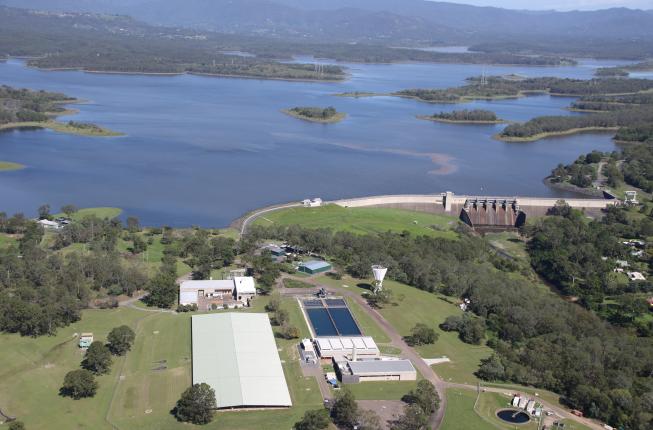
Good planning helps protect our water for everyone.
We work with state and local government, landowners and the community to encourage responsible land use in both urban and rural areas.
Our ongoing support for better planning practices means we help protect water assets, improve water quality and make sure our drinking water catchments continue to provide safe, secure, reliable water for the South East Queenslanders now and into the future.